Splinter de nieuwe partij van Femke Merel van Kooten Arissen.
Geplaatst door PietV. op 20 januari, 2021 - 11:28
Het huidige politieke etablissement zit vastgeroest



www.freethinker.nl is door ons opgezet met als voornaamste doelen het nuanceren of weerleggen van de waarheidsclaims en drogredeneringen van bepaalde maatschappelijke en politieke stromingen, georganiseerde religies en sekten, het aan de kaak stellen van excessen die zich daar voordoen of voor hebben gedaan, en het geven van informatie over vrijdenken. Wij zijn van mening dat religieuze openbaringen geen, of in ieder geval weinig antwoorden en oplossingen bieden voor de problemen van de moderne tijd.
Belangrijk onderdeel van de site is het forum waarin we met elkaar van gedachten wisselen. Hier vindt u informatie over de meest uiteenlopende onderwerpen. Iedereen is uitgenodigd mee te doen op ons forum.
Hieronder vindt u een aantal geselecteerde artikelen en boeken om u verder in onderdelen van het vrijdenken te verdiepen.
Het huidige politieke etablissement zit vastgeroest
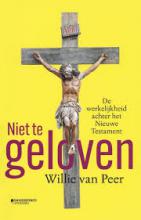
Vakantie leesvoer.

Artikelen die bovenstaande stelling uiteenzetten....
Een uitgebreid overzicht van verboden, vergeten, verketterde, verminkte en doodgezwegen boeken en geschriften!
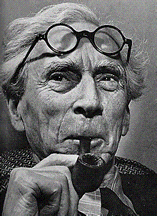 Bertrand Russell
Hieronder volgen enkele quotes van de, in 1970, overleden Britse filosoof, Bertrand Russell....
Om de filosoof Onfray te citeren: "De aanhangers van God beschikken zelfs over een wetenschap die is gewijd aan de bestudering van benamingen van God, zijn handel en wandel, zijn memorabele uitspraken, zijn gedachten, zijn woorden - want hij praat namelijk! - en zijn daden, zijn betrouwbare, bezoldigde denkers, zijn beroepskrachten, zijn wetten, zijn bewierokers, zijn verdedigers, zijn huurmoordenaars, zijn dialectici, zijn praatjesmakers, zijn filosofen -ja, die ook...,- zijn handlangers, zijn bedienden, zijn....
Geboren in Friesland en op jonge leeftijd geëmigreerd naar de Verenigde Staten, ontwikkelde Alvin Plantinga zich tot een van de meest vooraanstaande filosofische apologeten van het christendom.
In onderstaande youtube-lecture behandelt de filosoof Matt McCormick zijn filosofie, bekend geworden onder de naam reformed epistomology. In deze driedelige lecture maakt hij....
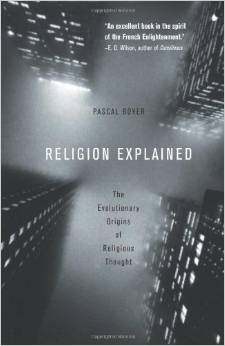
Voor iedereen die het boek niet meer in de ramsj kan vinden in het Nederlands, ik vond dit in het Engels > http://www.slideshare.net/mobile/dancas ... ascalboyer. Dit is één van de meest belanghebbende boeken ten aanzien van religie en religieus/ gelovig denken en het verklaart gelijk ook waarom mensen naast goden ook in allerhande andere zaken geloven. Het is de basis voor hoe geloof ....
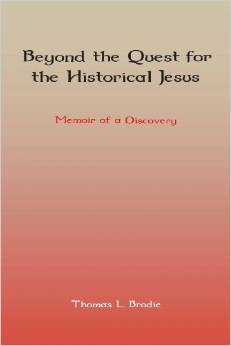 Ik heb deze zomer kennis gemaakt met Thomas Brodie via twee boeken. Het boek "Beyond the Quest for the historical Jezus" is het relaas van zijn zoektocht in bijbelonderzoek, men zou het bijna het relaas van zijn leven kunnen noemen. Brodie zelf noemt het in de ondertitel "Memoir of a Discovery".
Het tweede boek is "The birting of the New Testament" een dikke pil waar zijn onderzoeksresultaten in detail uiteengezet zijn.
'Wat moet niet allemaal mijn zaak zijn! Voor alles de goede zaak, dan de zaak van God, die van de mensheid, de waarheid, de vrijheid, de humaniteit, de gerechtigheid. Voorts de zaak van mijn volk, mijn vorst, mijn vaderland. Eindelijk zelfs de zaak van de geest en duizend andere zaken. Slechts mijn eigen zaak mag nooit mijn zaak zijn. Foei, zo’n egoist, die slechts aan zichzelf denkt....'
De eerste zinnen zijn afkomstig uit het Reformatorisch dagblad.
In zijn nieuwe boek ”Wat doe ik hier in godsnaam?” (uitg. De Arbeiderspers) –opgedragen aan zijn kinderen en hun vrienden– gaat Ter Linden „zo persoonlijk en zo concreet mogelijk” in op de vraag wat het geloof voor hem betekent.
In het boek rekent hij af met het geloof in een persoonlijk „bovennatuurlijk Opperwezen” én de zinnigheid van het bestaan. Het besef dat hij „vroeger” had, dat deze wereld en het leven een diepe betekenis moeten hebben, is hij kwijtgeraakt. „Waarom deze wereld er is, waarom wij mensen er zijn, daar kan ik geen zinnig woord over zeggen.”